
Choosing the right CNC router bit is not simply about matching the tool diameter to the cutting path. The geometry of the cutting edge, flute design, tool material, and workpiece characteristics all influence machining accuracy, surface quality, and cutting efficiency.
For CNC operators working with wood, acrylic, plastics, printed circuit boards (PCBs), and other compatible materials, the fishtail router bit is one cutting tool worth understanding.
Unlike a conventional flat-end cutting tool, a fishtail router bit features a distinctive cutting-edge profile at its tip. This geometry is designed to support controlled entry into the workpiece and precise routing operations.
At Ever Source, our fishtail router bit product range includes solid carbide cutting tools in several diameter and length configurations, designed for CNC routing, contour machining, and precision cutting applications.
In this guide, we explain how fishtail router bits work, where they are commonly used, and what buyers should consider when selecting a tool for their CNC equipment.
What Is a Fishtail Router Bit?
A fishtail router bit is a CNC cutting tool characterized by a fishtail-shaped cutting edge at the tool tip.
The geometry differs from a conventional flat-bottom cutter and is commonly used in routing operations where controlled entry, accurate contouring, and consistent edge quality are important.
Fishtail router bits can be manufactured with different flute configurations and cutting diameters depending on the intended application.
For example, Ever Source supplies fishtail router bits with cutting diameters ranging from approximately 0.8 mm to 3.175 mm, covering small-diameter precision routing requirements.
These tools can be used for:
- CNC woodworking and engraving
- Acrylic and plastic sheet processing
- Contour cutting and slotting
- PCB routing and profiling
- Precision cutting of compatible non-ferrous materials, subject to tool specifications
The suitability of a particular fishtail router bit depends on the cutting material, machine rigidity, spindle speed, feed rate, and tool geometry.
Understanding the Fishtail Router Bit Design
A fishtail router bit has several structural features that influence its machining performance.
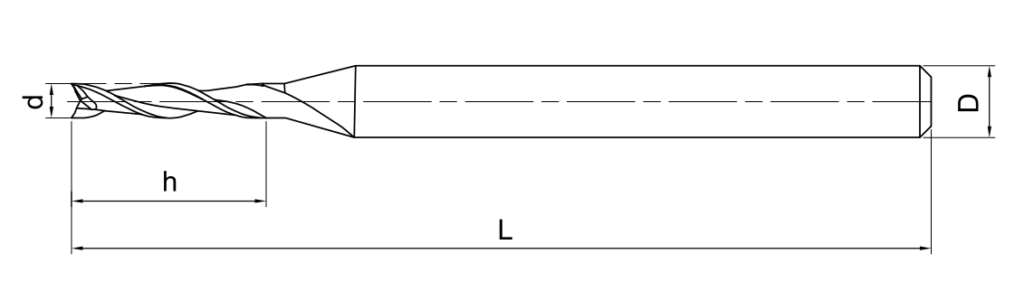
1. Fishtail Cutting-Edge Geometry
The defining feature is the cutting-edge shape at the tip of the tool.
This geometry helps the cutting edge engage the material during entry and supports accurate contour machining.
However, the fishtail tip alone does not determine chip evacuation or surface finish. These characteristics also depend on the flute geometry, cutting direction, material, and machining parameters.
2. Flute Design
The flutes are responsible for providing cutting edges and space for chip movement.
Depending on the tool design, flute configuration can influence:
- Chip removal efficiency
- Cutting forces
- Heat generation
- Surface finish
- Material compatibility
For example, acrylic machining often requires careful chip evacuation and heat control to prevent melting or material adhesion.
3. Solid Carbide Construction
Ever Source’s fishtail router bit range is presented as carbide cutting tools.
Carbide offers high hardness, wear resistance, and dimensional stability, making it suitable for precision cutting applications when used under appropriate machining conditions.
Compared with many conventional high-speed steel cutting tools, carbide can maintain cutting-edge integrity under demanding operating conditions, although it is generally more brittle and requires appropriate machine setup.
4. Cutting Diameter and Tool Length
The cutting diameter determines the width of the machined path and influences the minimum internal feature size that can be produced.
The cutting length and overall tool length affect reach, rigidity, and compatibility with the CNC machine.
A smaller diameter may be necessary for detailed engraving or narrow slots, while a larger diameter can provide greater rigidity for suitable cutting operations.
Common Applications of Fishtail Router Bits
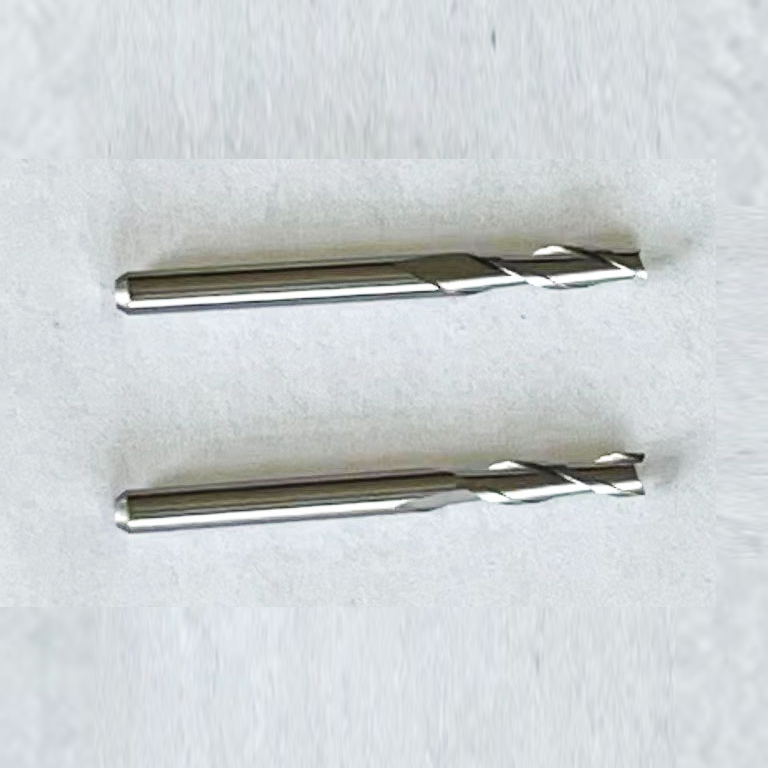
The Ever Source product page identifies several application categories for its fishtail router bit range.
CNC Woodworking and Engraving
Woodworking applications require a balance between cutting efficiency, dimensional accuracy, and surface finish.
Fishtail router bits may be used for CNC contouring, slotting, and engraving operations in compatible wood-based materials.
Common applications include:
- Decorative woodworking
- CNC panel routing
- Profile cutting
- Engraving and detailed machining
- Small grooves and slots
The selection of flute geometry is particularly important when working with plywood, MDF, or laminated materials because different cutting directions can affect surface tear-out.
Acrylic and Plastic Processing
Acrylic and engineering plastics present different machining challenges from wood.
Excessive heat, inadequate chip removal, or unsuitable cutting parameters can cause melting, burr formation, or poor edge quality.
For these materials, the router bit should be selected with attention to:
- Cutting-edge sharpness
- Flute configuration
- Chip evacuation
- Spindle speed and feed rate
- Workpiece thickness
Fishtail router bits may be suitable for acrylic and plastic routing when their specific geometry and cutting parameters match the application.
For production buyers, it is important to confirm whether the selected tool is intended for cast acrylic, extruded acrylic, PVC, ABS, or another plastic material.
PCB Routing and Profiling
Printed circuit board manufacturing often requires small-diameter cutting tools capable of producing precise outlines and narrow features.
Carbide router bits are commonly used for PCB profiling because of their hardness and ability to maintain small cutting geometries.
When selecting a fishtail router bit for PCB applications, buyers should consider:
- PCB substrate material
- Board thickness
- Required cutting width
- Spindle runout
- Tool diameter
- Dust extraction and machining conditions
Not every general-purpose fishtail router bit is suitable for fiberglass-reinforced PCB materials. Tool compatibility should be confirmed before production use.
Soft Metal Machining
Certain router bit designs may also be used for compatible soft metals or non-ferrous materials.
However, material compatibility should not be assumed solely because a tool is made from carbide.
Aluminum and other metals may require specific cutting-edge geometries, suitable chip clearance, lubrication or cooling strategies, and appropriate machine rigidity.
For metal cutting applications, buyers should confirm the intended use and machining parameters with the supplier.
Fishtail Router Bit vs Standard Flat-End Router Bit
Although fishtail router bits and standard flat-end cutting tools may be used for similar CNC operations, their tip geometries are different.
| Feature | Fishtail Router Bit | Standard Flat-End Cutter |
|---|---|---|
| Tip geometry | Distinctive fishtail profile | Generally flat-end geometry |
| CNC contouring | Suitable with correct configuration | Suitable |
| Plunge entry | Depends on center-cutting design | Depends on center-cutting design |
| Slotting | Suitable with correct configuration | Suitable |
| Chip evacuation | Depends on flute design | Depends on flute design |
| Material suitability | Depends on tool specifications | Depends on tool specifications |
Neither geometry is universally better.
The correct selection depends on the machining operation, required surface quality, workpiece material, and cutting parameters.
For buyers comparing different CNC cutting tools, understanding the actual cutting geometry is more useful than relying on the tool name alone.
In addition to tip geometry, flute direction plays an important role in chip evacuation and surface finish. To understand these differences, explore our detailed comparison of fishtail vs upcut vs downcut router bits and learn how each design affects CNC cutting performance.
How to Choose the Right Fishtail Router Bit Size
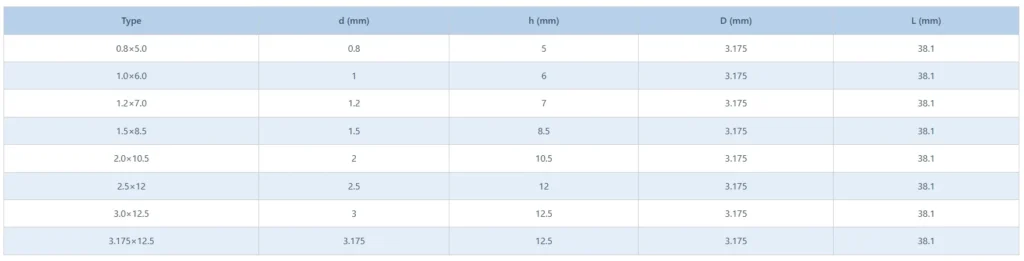
Tool size selection is one of the most important decisions when purchasing CNC router bits.
Cutting Diameter
Smaller cutting diameters are generally suitable for narrow features, detailed profiles, and precision routing.
Larger diameters may provide increased rigidity and can be more suitable for wider cutting paths.
Ever Source’s displayed product range includes diameters from approximately 0.8 mm to 3.175 mm.
The appropriate diameter should be selected according to the required cutting width, workpiece material, and machining conditions.
Shank Diameter
The shank must match the CNC spindle collet or tool-holding system.
An incorrect shank size can affect clamping reliability, tool runout, and machining accuracy.
Before purchasing, confirm the spindle’s supported collet sizes and the router bit’s actual shank diameter.
Cutting Length
Cutting length should be sufficient for the required machining depth.
However, unnecessarily long cutting edges can reduce rigidity and increase vibration.
Where possible, select the shortest suitable cutting length for the intended operation.
Overall Length
Overall length affects tool reach and installation clearance.
Buyers should verify that the selected tool provides sufficient reach without creating unnecessary overhang from the tool holder.
Tool diameter is only one factor in selecting the right cutting tool. Workpiece material, flute geometry, cutting depth, and machining requirements should also be considered. Read our practical guide on how to choose a CNC router bit for wood, acrylic, plastics, and PCB applications.
What Should Industrial Buyers Check Before Ordering?
For CNC workshops, equipment manufacturers, and industrial distributors, router bit selection should involve more than choosing a nominal diameter.
Before placing an order, consider the following factors.
Workpiece material: Specify whether the tool will cut wood, acrylic, PVC, ABS, PCB substrate, or another material.
Machining operation: Identify whether the application involves engraving, contour cutting, slotting, profiling, or plunge cutting.
Tool dimensions: Confirm cutting diameter, shank diameter, cutting length, and overall length.
Machine compatibility: Verify spindle speed range, collet size, machine rigidity, and tool runout requirements.
Production requirements: Consider dimensional tolerances, edge quality, cutting depth, and expected production volume.
Supplier information: Request suitable tool specifications and machining recommendations for the intended application.
Providing this information helps suppliers recommend a more appropriate cutting tool and reduces the risk of ordering an unsuitable configuration.
Ever Source Fishtail Router Bits for CNC Applications
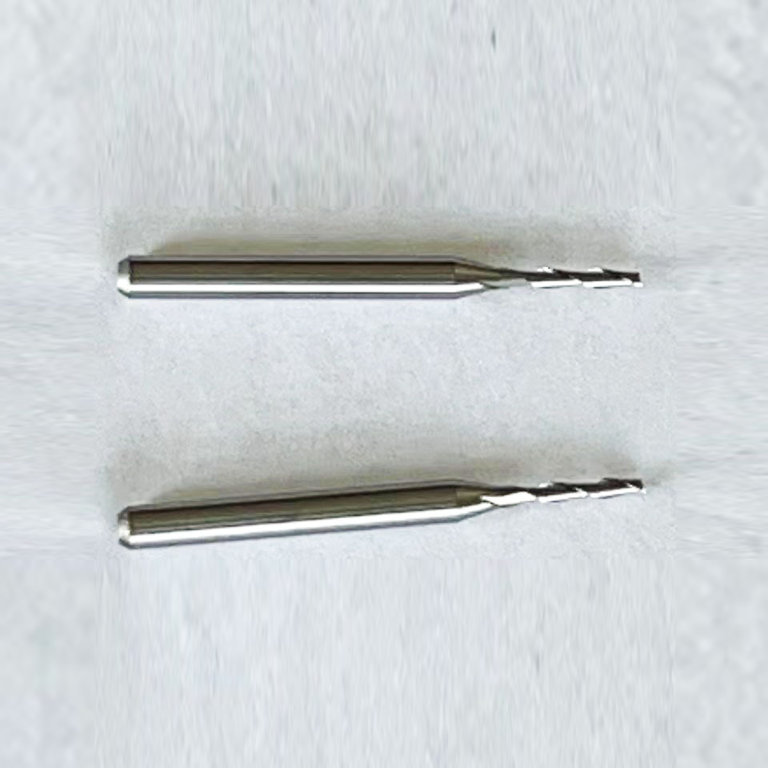
Ever Source supplies CNC cutting tools for industrial machining applications, including its fishtail router bit range.
The product range is presented with multiple diameter and length configurations for precision routing requirements.
Its product page provides technical drawings, dimensional specifications, product photographs, and information about the company’s production facilities and quality assurance.
For buyers evaluating a fishtail router bit, these details provide a starting point for comparing tool dimensions and discussing application requirements.
You can review the available configurations on our
Fishtail Router Bit product page.
For a suitable recommendation, share your workpiece material, required cutting diameter, machining depth, and CNC machine details with the Ever Source team.
Frequently Asked Questions
What is a fishtail router bit used for?
A fishtail router bit is used for CNC routing applications such as contour cutting, slotting, engraving, and profiling. Depending on its design, it may be suitable for wood, plastics, acrylic, PCB materials, and other compatible workpieces.
Can a fishtail router bit cut acrylic?
Yes, a suitably designed fishtail router bit can be used for acrylic routing. However, cutting-edge geometry, flute design, feed rate, spindle speed, and chip evacuation must be appropriate to avoid excessive heat and melting.
Is a fishtail router bit the same as an upcut router bit?
No. Fishtail describes the geometry at the cutting tip, while upcut generally refers to the direction of chip movement produced by the flute geometry. These characteristics describe different aspects of a cutting tool.
Are carbide fishtail router bits suitable for PCB cutting?
Certain carbide fishtail router bits can be used for PCB profiling, but compatibility depends on the PCB substrate and the specific tool design. Fiberglass-reinforced materials can be abrasive and may require dedicated PCB routing tools.
How do I choose the right fishtail router bit diameter?
Select the cutting diameter based on the required feature width, machining accuracy, workpiece material, and tool rigidity. Small-diameter tools are useful for fine details, while larger diameters may be more suitable for wider cutting paths.
Conclusion
A fishtail router bit is a specialized CNC cutting tool whose tip geometry can support precision routing, contouring, and material entry when matched to the correct application.
Its performance depends not only on the fishtail cutting edge but also on flute design, carbide grade, tool dimensions, machine setup, and machining parameters.
For industrial buyers, the most reliable approach is to evaluate the complete tool specification rather than selecting a router bit based on its name alone.
Explore Ever Source’s
Fishtail Router Bit range to review available tool dimensions and discuss your CNC cutting requirements.